
WhatsApp:+86 139 6595 5948

Get pro-grade results with the Craftsman Powder Coat Gun – a reliable Powder Coat Gun and durable Powder Coating Gun. Easy to use, flawless finish. Order now!
Craftsman Powder Coat Gun has gained significant traction among DIY enthusiasts and small workshop owners due to its affordable price range from fifty to four hundred dollars depending on model and condition. The growing demand for durable chip-resistant finishes on automotive parts garden tools and household metal items has made this self-contained no-compressor-required solution increasingly popular for home-based coating applications.
Craftsman Powder Coat Gun excels in a diverse range of coating projects that previously required professional industrial equipment. DIY enthusiasts commonly use this tool to refinish metal garage shelves transforming rusty neglected storage units into fresh durable storage solutions that resist further corrosion. Small automotive shops rely on the Craftsman Powder Coat Gun for coating motorcycle frames and bike components ensuring a smooth long-lasting finish that withstands road vibration and weather exposure. Home restorers frequently employ the Craftsman Powder Coat Gun to revitalize antique metal fixtures and vintage hardware preserving historical pieces while adding modern protective qualities. The gun proves equally valuable for coating metal garden tools extending their usable lifespan dramatically by creating a tough impact-resistant barrier against soil moisture and repeated handling. Automotive enthusiasts particularly appreciate the Craftsman Powder Coat Gun for refinishing engine components brake calipers and suspension parts achieving professional-looking results that traditional spray paints cannot match. The self-contained design eliminates the need for bulky air compressors making this powder coating system accessible to hobbyists working in home garages with limited space and equipment.
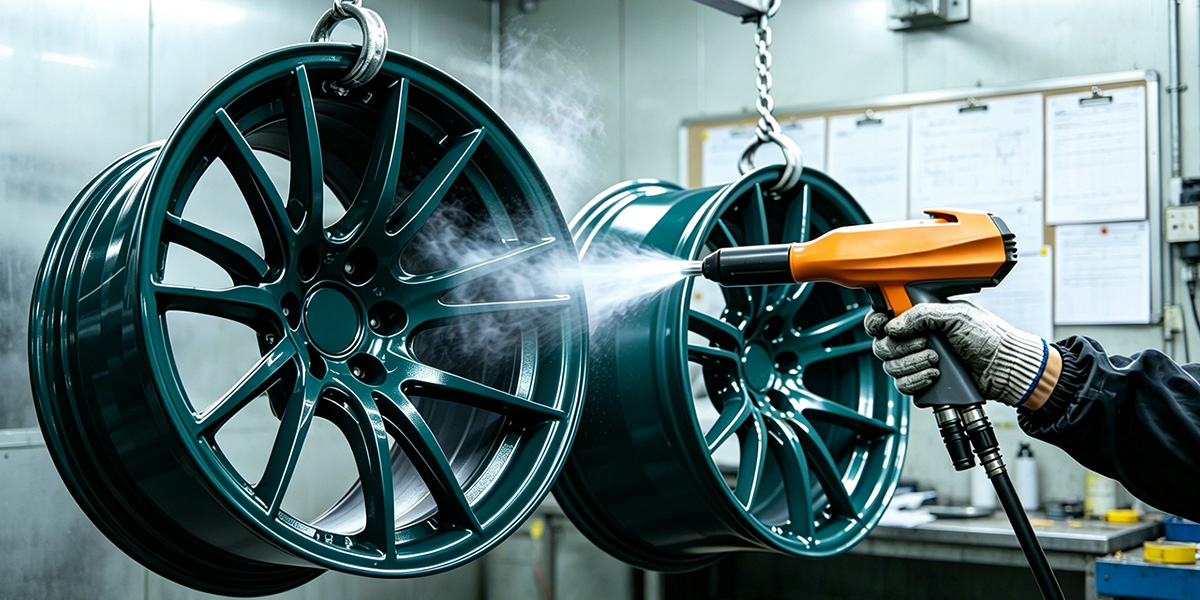
Craftsman Powder Coat Gun operates on a sophisticated electrostatic technology that fundamentally changes how surface coatings adhere to metal substrates. The process begins with thorough surface preparation where operators use wire brushes and chemical degreasers to remove rust scale and contaminants from the target workpiece. Once cleaned the metal part must be properly grounded typically by hanging it on a metal rack connected to the gun ground wire. The Craftsman Powder Coat Gun then uses electrical power to generate an electrostatic charge that is imparted to the powder particles as they exit the spray nozzle. These charged powder particles are naturally attracted to the grounded metal surface creating an even consistent coating layer that wraps around edges and reaches recessed areas effectively. After the powder application the coated item must be cured in an oven at temperatures between three hundred fifty and four hundred degrees Fahrenheit. During this curing process the powder particles melt flow together and chemically cross-link forming a hard glossy continuous film that bonds permanently to the metal surface. This two-step electrostatic application plus thermal curing process produces a finish that significantly outperforms traditional liquid paints in hardness chemical resistance and weatherability. The overspray from the Craftsman Powder Coat Gun consists of dry powder that can be simply swept up and disposed of with household refuse eliminating the hazardous waste disposal issues associated with liquid paint overspray and solvent cleanup.
Craftsman Powder Coat Gun requires proper installation and setup to achieve optimal coating results and ensure safe operation. The first step involves assembling the gun components according to the included manual connecting the powder hopper securely and verifying all seals are properly seated to prevent powder leakage during operation. Proper grounding represents the most critical aspect of Craftsman Powder Coat Gun installation. Operators should connect the gun ground wire directly to the workpiece being coated using a dedicated metal hook or hanger that provides reliable electrical contact. For best results drive an eight-foot copper ground rod into the earth near the coating area and connect it to the gun controller ground lug using twelve to eighteen gauge copper wire. The Craftsman Powder Coat Gun features an internal air generation system meaning no external compressor connection is required which simplifies installation considerably compared to professional corona or tribo systems. However users must ensure the air intake vents remain unobstructed and clean. Before first use adjust the variable speed switch to a medium setting and test the powder flow away from the workpiece until a steady even powder cloud appears. The recommended spraying distance ranges from four to six inches with the gun held perpendicular to the target surface for uniform coverage. Two thin coating passes produce better adhesion and finish quality than one heavy pass which can lead to powder clumping and uneven curing. Always clean the Craftsman Powder Coat Gun thoroughly after each use especially the nozzle powder cup and feed tube areas to prevent powder buildup that can clog the system and affect future performance.
Craftsman Powder Coat Gun represents an interesting case study in affordable powder coating equipment manufacturing. The basic design utilizes an electrically powered internal fan that generates sufficient air pressure to fluidize and propel powder particles eliminating the need for external compressed air systems found on industrial corona guns. The Craftsman Powder Coat Gun manufacturing process involves injection molding of plastic body components including the ergonomic handle powder hopper and nozzle assembly. A small electric motor drives the internal fan while high-voltage generation components produce the electrostatic charge that adheres powder to grounded workpieces. The manufacturing cost for each Craftsman Powder Coat Gunincludes raw plastic materials the electric motor circuit boards electrode components and assembly labor. Industrial powder coating systems typically cost ten thousand to twenty thousand dollars for a complete setup including gun booth and oven. By contrast the Craftsman Powder Coat Gun retails at a fraction of that cost making professional-quality powder coating accessible to home users. For those who find used units the price can drop dramatically with some users reporting purchases of twenty four dollars for clearance items. The total cost of getting started with the Craftsman Powder Coat Gun includes the gun itself plus powder coating material which typically costs twelve to twenty dollars per pound and an oven for curing which can be a dedicated toaster oven costing twenty five to fifty dollars. Additional required items include high-temperature masking tape rubber gloves safety goggles and a dust mask. The complete entry-level system investment often totals under one hundred fifty dollars allowing hobbyists to begin powder coating projects with minimal financial risk compared to professional systems costing thousands of dollars.
Selecting the appropriate Craftsman Powder Coat Gun requires careful evaluation of your project scale frequency and budget constraints. For occasional DIY users who plan to coat small items like brackets brackets and hand tools the basic Standard model priced around three hundred dollars provides sufficient electrostatic capability and powder flow adjustment for most home applications. If you operate a small business performing regular coating work or plan to coat larger items such as automotive wheels or motorcycle frames the Premium model starting at eight hundred dollars offers advanced electrostatic control precise powder flow rate adjustment and an ergonomic design for extended use sessions. When evaluating used Craftsman Powder Coat Gun units available on eBay and other marketplaces examine the plastic body carefully for cracks especially around the handle and powder cup locking mechanism as these areas are known to fail with heavy use. Consider the powder hopper capacity as well smaller hoppers require frequent refilling which becomes tedious for large projects while excessively large hoppers may make the gun cumbersome to maneuver. The power source configuration also matters. Standard Craftsman Powder Coat Gun models operate on one hundred ten volt household current while European versions require two hundred thirty volt transformers. Check user reviews for the specific model you are considering to learn about real-world performance with different powder types and coating conditions. For automotive engine components and parts with complex shapes opt for a model with adjustable powder flow control to prevent powder buildup in recessed areas. If you plan to coat different colors regularly consider purchasing extra powder cups for quick color changes without extensive cleaning between each color application.
Proper maintenance of your Craftsman Powder Coat Gun directly impacts coating quality and equipment lifespan. Clean the gun thoroughly after every single use focusing especially on the powder feeding components nozzle and electrostatic electrode. To clean the Craftsman Powder Coat Gun first unplug the unit and remove any remaining powder from the hopper. Use compressed air if available to blow powder residue from internal passages or manually wipe accessible areas with a clean dry cloth. Never use liquid cleaners or solvents inside the Craftsman Powder Coat Gun as these can damage electrostatic components and leave residues that contaminate future coating projects. The nozzle requires particular attention as powder buildup here causes uneven spray patterns and poor coverage. Remove the nozzle and inspect it for clogs wiping away any accumulated powder. The electrode tip must remain clean and free of powder crust to maintain proper electrostatic charge generation. For Craftsman Powder Coat Gun models with transparent hoppers periodically inspect the hopper for cracks or clouding that could indicate material degradation. Store the gun in a clean dry location away from excessive heat or cold which can damage plastic components. If the powder cup locking mechanism becomes stiff clean the sliding surfaces with a dry cloth to remove powder residue that acts like sandpaper increasing friction. Never force the locking mechanism as these parts are known to break under excessive pressure. Check the electrical cord periodically for cuts or damage and replace immediately if any issues are found. The internal fan should sound smooth and consistent during operation unusual noises indicate potential fan blade damage or motor issues requiring repair or replacement.
Achieving a professional-grade smooth finish with your Craftsman Powder Coat Gun requires attention to surface preparation application technique and curing conditions. The first and most critical step involves preparing the metal surface properly removing all rust old paint oils and contaminants using abrasive paper wire brushes or chemical strippers. After surface cleaning wipe the workpiece with acetone or paint thinner and allow it to dry completely before coating. Proper grounding of the workpiece significantly affects finish quality. Hang the part on a clean metal rack or hook that connects directly to the Craftsman Powder Coat Gun ground wire. Adjust the gun powder flow to achieve a light even powder cloud rather than a heavy dense spray. Hold the Craftsman Powder Coat Gun four to six inches from the workpiece keeping it perpendicular to the surface and moving in smooth consistent passes. Apply two or three thin coating layers rather than attempting one thick coat which can lead to powder clumping orange peel texture and poor adhesion. Between coats you do not need to cure the powder simply allow the first layer to settle before applying additional passes. For complex parts with recessed areas or inside corners spray these difficult areas first before coating the more accessible surfaces. The curing oven temperature must be accurate and consistent. Most powders cure properly at three hundred fifty to four hundred degrees Fahrenheit but verify the specific temperature requirements for your powder. Preheat the oven to the correct temperature before placing the coated part inside. Cure times typically range from ten to twenty minutes once the part reaches full temperature. Avoid opening the oven door during curing as temperature fluctuations can affect the final finish quality. After curing allow the part to cool naturally before handling. If the finish shows imperfections such as pinholes or rough texture these usually indicate contamination on the workpiece surface before coating or inconsistent powder application technique.
Setting up an efficient workspace for your Craftsman Powder Coat Gun involves creating dedicated areas for preparation application and curing. The preparation area requires good ventilation for chemical cleaning agents plus access to abrasive tools wire brushes and cleaning solvents. Keep a supply of clean lint-free rags and acetone or mineral spirits for final surface cleaning before coating. The application area should include a stable work surface or hanging rack where you can suspend workpieces during coating. Since the Craftsman Powder Coat Gunproduces overspray that consists of dry powder you can contain this by placing cardboard or plastic sheeting behind the coating area to catch excess powder which can be reused if kept clean. Good lighting is essential for monitoring coating coverage and thickness. Install bright LED or fluorescent lights that illuminate the workpiece without creating shadows that hide thin spots in the coating. The curing area requires an oven dedicated to powder coating never use an oven that prepares food. A standard toaster oven works well for small parts up to approximately twelve inches in size while a conventional home oven can accommodate larger pieces. Position the Craftsman Powder Coat Gun work area away from flammable materials and ensure adequate clearance around the curing oven for heat dissipation. Install a fire extinguisher rated for electrical and chemical fires within easy reach of the coating area. Keep a supply of high-temperature masking tape silicone plugs and high-temperature wire for hanging parts during coating and curing. The Craftsman Powder Coat Gun itself requires storage space where it remains protected from dust and physical damage. A dedicated shelf or cabinet near the work area keeps the gun accessible while protecting it from contamination. Consider investing in a small digital thermometer to verify oven temperature accuracy as many home ovens have significant temperature variations that affect curing results.
Troubleshooting coating defects with your Craftsman Powder Coat Gun requires systematic diagnosis of common problems and their underlying causes. If the powder fails to stick to the workpiece at all check the ground connection first. The Craftsman Powder Coat Gun relies on a complete electrical circuit between the gun and the grounded workpiece. Verify that the metal hanger contacts clean bare metal on both the part and the ground wire. If powder adhesion is weak or uneven the electrostatic generator may be malfunctioning or the powder itself may be too moist. Powder absorbs humidity from the air and moist powder does not charge properly. Store powder in sealed containers with desiccant packs to maintain dryness. If the Craftsman Powder Coat Gunproduces an uneven spray pattern with heavy spots and thin areas check the nozzle for clogs and verify the powder hopper contains adequately fluidized powder. Tap the hopper gently to break up any powder clumps before spraying. Orange peel texture in the cured finish results from powder layers that are too thick incorrect curing temperature or insufficient powder flow adjustment. Reduce the powder flow rate and apply thinner coats. Check oven temperature with a separate thermometer as built-in oven thermostats often read inaccurately. If the cured finish shows pinholes or craters the workpiece surface likely contained oil or grease before coating. Improve surface cleaning procedures using a stronger degreaser and avoid touching cleaned surfaces with bare hands. When the Craftsman Powder Coat Gun produces little or no powder flow inspect the internal fan operation by listening for the fan motor running. If the fan runs but powder does not move the feed tube may be clogged or the powder cup may be overfilled. Fill the cup only to the recommended level as overfilling reduces air circulation needed to move powder through the gun. If the powder flow starts strong then diminishes the powder cup may be sealed too tightly preventing air from entering to replace consumed powder. Loosen the cup slightly to allow air intake while maintaining the seal against powder leakage. Cured finish that appears dull rather than glossy indicates under-curing where the powder did not reach full melting temperature or was not held at temperature long enough. Increase oven temperature or extend cure time according to the powder manufacturer specifications.
Title:Craftsman Powder Coat Gun Delivers Professional Home Coating Results for DIY Auto and Metal Projects
Link:https://www.coatinggun.com/powder-coating-gun-info/Craftsman-Powder-Coat-Gun-Delivers-Professional-Home-Coating-Results-for-DIY-Auto-and-Metal-Projects
Statement: Coating Equipment Co., Ltd Chinese Powder Coating Equipment facturers provide you with customized equipment for various types of Powder Coating Lines, Powder Coating Ovens, Powder Coating Booths,Powder Coating Guns, etc. For inquiries! Contact us at Email: mypowdercoater@gmail.com WhatsApp: +86 139 6595 5948