

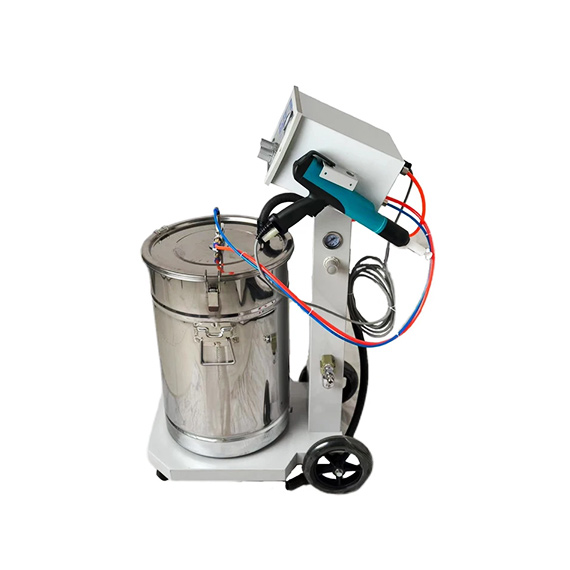
Powder Coating Spray Machine 500
Powder Coat Spraying System
Shop Powder Coat Spraying Systems, Powder Coating Spray Machines & Coating Systems. Get Flawless Finishes & Fast Delivery. Quote Now!
Technical Data
Powder Coat Spraying System, Spray Machine, and Coating System: Driving Performance in Powder Finishing
In the powder coating industry, the language used to describe equipment can shape how businesses plan their finishing operations. Three terms frequently appear in technical specifications, procurement documents, and shop-floor conversations: Powder Coating Spray Machine, Powder Coat Spraying System, and the broader term Coating System. While they are closely related and sometimes used interchangeably, each represents a distinct layer of functionality and integration. Understanding these differences helps coaters—from small job shops to large manufacturers—select the right technology to maximize quality, efficiency, and sustainability in their finishing processes.
Powder Coating Spray Machine: The Core Application Unit
The Powder Coating Spray Machine is the fundamental device that applies powder to a workpiece. At its simplest, it consists of an electrostatic spray gun, a high-voltage generator, and a powder feed mechanism—typically a hopper or box-feed unit—all controlled by an operator or an automated sequence. This machine is the point where dry powder particles are charged, shaped into a controlled cloud, and propelled toward a grounded part. It can be manual, automatic, or robot-mounted. The key advantage of a high-quality spray machine lies in its precision: advanced units offer digital control of voltage and powder flow, ensuring uniform film thickness and consistent coating quality even on complex geometries. As the essential building block of any powder finishing setup, the spray machine determines the transfer efficiency and ultimately the cost per part coated.
Powder Coat Spraying System: The Integrated Application Cell
A Powder Coat Spraying System expands the scope beyond the gun alone. It refers to a complete, integrated application cell that includes the spray machine, the spray booth, the powder recovery and recycling unit, and the powder management center. In such a system, all components are engineered to work together as a coordinated whole. The booth contains overspray, the recovery unit captures airborne powder and returns it to the feed system, and the control panel orchestrates airflow, gun triggering, and powder delivery. The principal advantage of a spraying system is its ability to transform powder coating from a messy, high-waste process into a clean, near-zero-waste operation. With recovery efficiencies reaching 98%, a well-designed system cuts material costs dramatically while ensuring a safe, compliant working environment. It also enables rapid color changes—some systems switch colors in under a minute—making it ideal for coaters who process a wide variety of parts and colors daily.
Coating System: The Complete Production Line
The term Coating System is the most comprehensive of the three. In an industrial context, it denotes an entire production line that encompasses every stage of the finishing process, from pretreatment and drying through powder application and curing. A complete coating system typically includes a pretreatment tunnel or spray washer, a dry-off oven, an automatic or manual powder spraying system, and a cure oven, all linked by a material handling conveyor. It may also incorporate part identification sensors, robotic manipulators, and centralized recipe management. The value of a full coating system is that it controls every variable that affects finish quality: surface cleanliness, part temperature, application parameters, and cure cycle. This end-to-end integration guarantees repeatable, high-quality results across thousands of parts, reduces manual handling, and allows for data-driven process optimization. For high-volume manufacturers, a coating system is the platform on which they build their reputation for durable, flawless finishes.
How These Three Concepts Work Together
In practice, these three layers build upon one another. A Powder Coating Spray Machine is the active endpoint that applies the coating; a Powder Coat Spraying System surrounds that machine with containment, recovery, and control to make it an efficient, industrial-grade cell; and a full Coating System embeds that spraying system within a complete material handling and thermal process chain to deliver finished, cured parts ready for assembly or shipment. A business might start with a manual spray machine, then add a booth and recovery unit to form a spraying system, and eventually integrate a conveyor and pretreatment to create a fully automated coating system—each step unlocking new levels of productivity, quality, and cost savings.
Applications Across Industries
These three levels of equipment serve a diverse array of industries. In architecture and construction, coating systems apply durable, weatherable finishes to aluminum window frames, curtain wall panels, and steel structural elements. The automotive sector relies on spray machines and automated spraying systems to coat wheels, chassis components, and EV battery trays with chip-resistant corrosion protection. Home appliance manufacturers use integrated coating systems to finish washer drums, refrigerator doors, and air conditioner housings with bright, scratch-resistant surfaces. General manufacturing—encompassing furniture, fitness equipment, agricultural machinery, and metal enclosures—depends on the flexibility and cost-efficiency of modern powder spraying systems to meet both functional and aesthetic requirements. Even small-scale custom coaters and restoration shops use standalone spray machines to produce premium finishes on unique parts, proving that the technology scales from the garage to the global factory.
Core Advantages That Define the Technology
Regardless of scale, all three—spray machine, spraying system, and complete coating system—share a set of transformative advantages:
Environmental Leadership: Powder coatings contain no solvents, generating zero VOC emissions and eliminating hazardous waste associated with liquid paint.
Extraordinary Material Efficiency: Unused powder is reclaimed and reused, pushing overall material utilization to 95–98% and dramatically reducing consumable costs.
Superior Finish Quality: Electrostatic application followed by thermal curing produces a tough, uniform coating with outstanding adhesion, corrosion resistance, and weatherability.
Single-Coat Thick Films: A single pass can deposit 40–120 microns or more without runs or sags, streamlining production and reducing labor.
Energy Savings: Fast curing, the elimination of flash-off zones, and the potential for direct-to-metal application all contribute to significantly lower energy consumption compared to liquid paint lines.
Operational Safety: Dry powder systems eliminate flammable solvents, making the workplace inherently safer and reducing the cost and complexity of fire protection.
Conclusion
The Powder Coating Spray Machine, the Powder Coat Spraying System, and the complete Coating System represent a clear hierarchy of capability in the powder coating world—from the essential application tool to the fully integrated production line. Each plays a vital role in transforming raw metal into beautifully finished, durable products that meet the highest industrial standards. By understanding the scope of each term and the advantages they bring, manufacturers can make informed decisions that elevate their finishing quality, reduce their environmental footprint, and strengthen their competitive position. As the global finishing industry continues its steady shift toward cleaner, smarter, and more efficient processes, these powder coating technologies remain at the leading edge—delivering the performance, sustainability, and economic value that modern production demands.