
WhatsApp:+86 139 6595 5948

Achieve flawless finish with our Electrostatic Powder Coating Gun – a high-efficiency Powder Coating Gun for less waste and more output. Shop now!
2.18 billion in 2026 at a compound annual growth rate of 6.2%, the adoption of Electrostatic Powder Coating Gun solutions continues to accelerate. Prices for entry-level systems now range from 400, offering an accessible entry point for DIY enthusiasts, while professional-grade models with advanced electrostatic capabilities can reach thousands of dollars depending on features and output power.
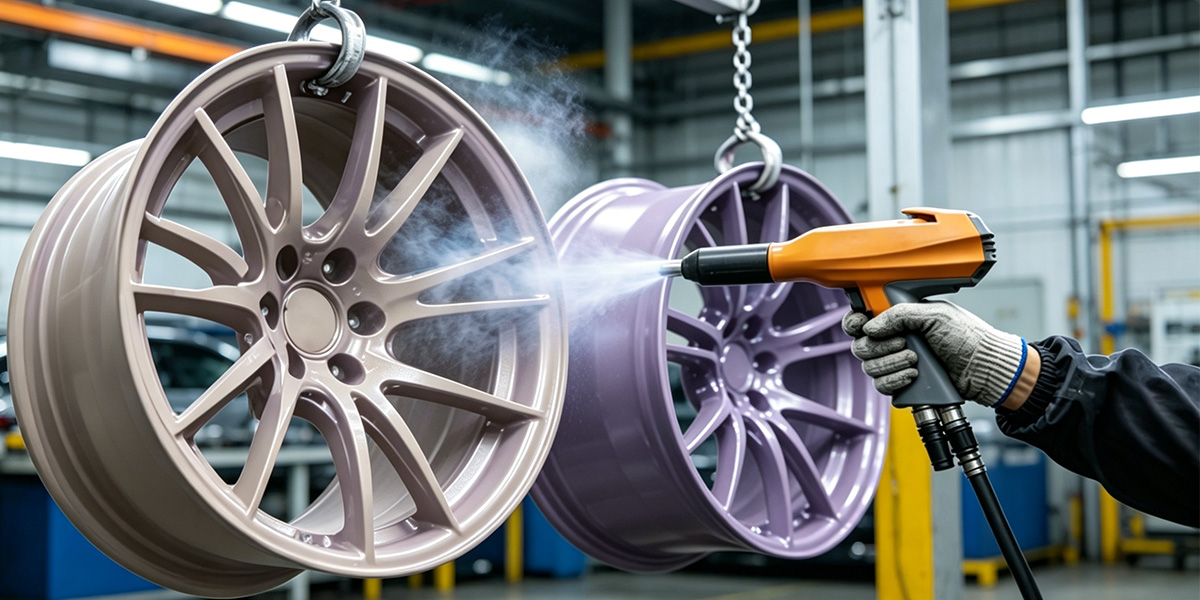
Electrostatic Powder Coating Gun technology fundamentally transforms how powdered paint materials adhere to metal surfaces through controlled electrical charging. The Electrostatic Powder Coating Gun generates a high voltage electrostatic field that charges powder particles as they exit the nozzle, creating a powerful attraction between the charged powder and the grounded workpiece. This electrostatic attraction ensures that powder wraps around edges and reaches recessed areas that would be difficult to coat with conventional spray methods. The typical operating voltage for an Electrostatic Powder Coating Gun ranges from 50,000 to 100,000 volts, with higher voltages generally providing more thorough coverage on complex shapes and larger surface areas. Professional models with 80kV to 100kV output capabilities deliver improved transfer efficiency and are particularly effective for recoating applications where additional electrostatic power helps push powder onto already-coated surfaces. After the electrostatic application, the coated part must be cured at temperatures between 350 and 400 degrees Fahrenheit, during which the powder particles melt and chemically cross-link into a durable, smooth finish.
Electrostatic Powder Coating Gun systems are primarily classified into two distinct charging technologies, each offering unique advantages for different coating applications. Corona charging Electrostatic Powder Coating Gun models use a high-voltage electrode at the gun tip to ionize air and charge powder particles, making them versatile and compatible with all powder types. This technology is the most common choice for general powder coating operations. Tribo charging Electrostatic Powder Coating Gun systems rely on friction between powder particles and PTFE channels inside the gun to generate charge, which eliminates the Faraday cage effect and provides superior coverage in recessed areas and complex geometries. Many production lines use corona guns as their primary application method, with tribo guns added for challenging parts that have deep recesses or unusual shapes. Lower kV corona operation in the 40 to 60 kV range has become increasingly popular as it helps reduce Faraday cage effects while maintaining good transfer efficiency. The choice between corona and tribo technology ultimately depends on your specific workpiece configurations and the types of powder you plan to use.
Electrostatic Powder Coating Gun installation requires careful attention to several critical factors to ensure safe and effective operation. Proper grounding represents the most important aspect of Electrostatic Powder Coating Gun setup, as an incomplete electrical circuit will prevent powder from adhering properly to the workpiece. For optimal results, drive an eight-foot copper ground rod into the earth near the coating area and connect it to the gun controller ground lug using 12 to 18 gauge copper wire. The Electrostatic Powder Coating Gun system typically includes a control unit, powder pump and pickup tube assembly, hopper, fluidizer, system ground wire with clamp, and the gun itself. Before first use, adjust the powder flow rate and electrostatic voltage to match your specific powder type and workpiece material. The recommended spraying distance for most Electrostatic Powder Coating Gun systems ranges from 8 to 12 inches between the gun tip and the target surface, with smooth even strokes applied during coating passes. Always test your settings on sample panels before beginning production runs, as different powder formulations may require different voltage and flow rate combinations.
Electrostatic Powder Coating Gun pricing varies significantly based on features, power output, and intended usage level. Entry-level models suitable for hobbyists and occasional use typically range from 400, with the VEVOR 50KV system representing an affordable option for home DIY projects. Mid-range Electrostatic Powder Coating Gun kits with 80kV output capability, such as the PowderCoatPro KV80, are priced around 399 and offer professional-grade performance for small business operations. Higher-end manual systems from premium manufacturers can cost between 5,000, while automatic systems intended for production environments range from 15,000 per unit. Imported Electrostatic Powder Coating Gun options from manufacturers like Colo are available in the 630 range for manual systems, with automatic systems reaching significantly higher price points. Additional costs to consider include replacement powder cups, which can be two to three times standard pricing for proprietary designs, and ongoing consumables such as powder coating material that typically costs 20 per pound.
Electrostatic Powder Coating Gun systems excel across a wide range of application scenarios, from small automotive parts to large industrial components. For automotive applications, the Electrostatic Powder Coating Gun proves ideal for refinishing wheels, engine components, brake calipers, and suspension parts, creating durable chip-resistant finishes that withstand harsh road conditions and temperature extremes. Small workshop owners frequently use Electrostatic Powder Coating Gun equipment for coating motorcycle frames, bicycle components, and garden tools, dramatically extending the usable lifespan of these items through protective coating layers. The Electrostatic Powder Coating Gun also performs exceptionally well on complex three-dimensional geometries when operators apply the proper technique of coating difficult recessed areas first before covering easy-to-coat surfaces. For flat panels and profiles, automatic reciprocator-mounted systems provide consistent coverage and high throughput, while robotic systems costing 100,000 deliver perfect repeatability for premium finishes on complex 3D geometries. Home restorers find the Electrostatic Powder Coating Gun invaluable for preserving antique metal fixtures, vintage hardware, and other decorative metal items that require professional-looking finishes without the high cost of commercial coating services.
Electrostatic Powder Coating Gun maintenance requires systematic attention to cleaning and component inspection to ensure reliable operation over the long term. Clean the exterior of the Electrostatic Powder Coating Gun after each use by promptly wiping the surface with a clean damp cloth to remove powder residue, dust, and dirt accumulation. The nozzle and electrode tip require particular attention, as powder buildup in these areas significantly reduces electrostatic charging efficiency and creates uneven spray patterns. For thorough cleaning, completely disassemble the Electrostatic Powder Coating Gun periodically and soak all components in a specialized cleaning solution to remove powder, oil stains, and other impurities accumulated inside the system. The powder hopper and injector should be cleaned at least once a week, with the hopper filled just before starting each operation to minimize powder moisture absorption. Check grounding connections of the control module, coating booth, and workpiece suspension system weekly to verify proper electrical continuity. For triboelectric Electrostatic Powder Coating Gunmodels, inspect the PTFE charging channels regularly, as wear in these components can reduce charging effectiveness. Replace worn nozzles and deflectors according to manufacturer schedules to maintain optimal spray patterns and transfer efficiency. Always store your Electrostatic Powder Coating Gun in a clean dry location away from excessive heat, cold, and humidity to prevent damage to plastic components and electrostatic circuitry.
Electrostatic Powder Coating Gun operation demands strict adherence to safety regulations to prevent fire hazards and personal injury. The high voltage circuits in any Electrostatic Powder Coating Gun must be designed so they do not produce sparks of sufficient intensity to ignite powder-air mixtures likely to be encountered during normal operation. All powder coating equipment must carry a prominent permanently installed warning regarding the necessity for proper grounding of workpieces and surrounding objects. The Electrostatic Powder Coating Gunwork area should be kept free of powder coating dust accumulation, particularly on horizontal surfaces such as ledges, beams, pipes, hoods, booths, and floors. Operators wearing gloves during electrostatic hand spraying must maintain proper grounding contact between their hand and the grounded handle of the Electrostatic Powder Coating Gun. Hooks used for hanging workpieces should be regularly cleaned to ensure good electrical contact, with contact areas designed as sharp points or knife edges where possible to maximize grounding effectiveness. Powder coating operations should be confined to properly designed enclosures protected with automatic fire extinguishing systems to contain potential fires and protect operators and equipment. Always disconnect the Electrostatic Powder Coating Gun from its power source before performing any maintenance or cleaning operations to prevent accidental electrical shocks.
Selecting the appropriate Electrostatic Powder Coating Gun requires evaluating several key parameters against your specific coating requirements and budget constraints. Consider the maximum electrostatic output voltage first, as higher voltage guns generally provide better coverage on complex shapes and improve transfer efficiency for recoating applications. A high voltage Electrostatic Powder Coating Gun with 80kV to 100kV output delivers significantly more electrostatic charging power than entry-level 50kV models, making a noticeable difference when pushing powder onto already-coated surfaces. Examine the gun controller type as well, with built-in controllers offering simplicity for beginners while separate external controllers provide more precise voltage adjustment and monitoring capabilities. The Electrostatic Powder Coating Gungrounding system configuration matters greatly, with twin grounding systems for part and earth connections providing more reliable electrical circuits than single ground cable designs. Check whether the gun is fully repairable with replacement parts available, as some models have limited repairability and must be discarded when internal components fail. For shops coating multiple colors regularly, look for Electrostatic Powder Coating Gun designs that allow quick color changes in under one minute, saving valuable production time and reducing powder waste between color switches. Evaluate the powder cup thread type as well, with proprietary exclusive threads requiring two to three times standard pricing for replacement cups compared to universal designs available from any supplier. The warranty period also serves as an indicator of manufacturer confidence, with longer warranties generally correlating to higher build quality and better component reliability.
Achieving a professional-grade finish with your Electrostatic Powder Coating Gun demands careful attention to surface preparation, application technique, and curing conditions. Start by thoroughly preparing the metal surface, removing all rust, old paint, oils, and contaminants using abrasive paper, wire brushes, or chemical strippers. After surface cleaning, wipe the workpiece with acetone or paint thinner and allow it to dry completely before coating. Proper workpiece grounding significantly affects finish quality, so ensure your Electrostatic Powder Coating Gunground wire connects to a clean metal surface on the part being coated. Adjust the gun powder flow to achieve a light even powder cloud rather than a heavy dense spray that can cause clumping and orange peel texture. Hold the Electrostatic Powder Coating Gun at the recommended distance of 8 to 12 inches from the workpiece, keeping the gun perpendicular to the surface and moving in smooth consistent passes. Apply two or three thin coating layers rather than attempting one thick coat, as multiple passes provide better adhesion and finish uniformity. For parts with recessed areas or inside corners, spray these difficult areas first before coating the more accessible surfaces. The curing oven temperature must be accurate and consistent, with most powders curing properly at 350 to 400 degrees Fahrenheit. Preheat the oven to the correct temperature before placing the coated part inside, and avoid opening the oven door during curing as temperature fluctuations can affect final finish quality. After curing, allow the part to cool naturally before handling. If the finish shows pinholes or craters, improve surface cleaning procedures and avoid touching cleaned surfaces with bare hands between preparation and coating.
Maintaining your Electrostatic Powder Coating Gun properly directly impacts coating quality and equipment lifespan, requiring systematic cleaning and inspection routines. Clean the Electrostatic Powder Coating Gun thoroughly after every use, focusing especially on the powder feeding components, nozzle, and electrostatic electrode. Before cleaning, turn off the control unit and disconnect the gun from its power source to ensure safety. Use compressed air free of oil and water to blow powder residue from internal passages, or manually wipe accessible areas with a clean dry cloth. Never use liquid cleaners or solvents inside the Electrostatic Powder Coating Gunas these can damage electrostatic components and leave residues that contaminate future coating projects. The nozzle requires particular attention, as powder buildup here causes uneven spray patterns and poor coverage. Remove the nozzle and inspect it for clogs, wiping away any accumulated powder. The electrode tip must remain clean and free of powder crust to maintain proper electrostatic charge generation. For the Electrostatic Powder Coating Gun powder hopper, empty any unused powder and store it in sealed containers with desiccant packs to maintain dryness. Clean the hopper interior with a dry cloth to prevent cross-contamination between different powder colors. Check the electrical cord periodically for cuts or damage and replace immediately if any issues are found. If powder adhesion becomes weak or inconsistent, verify the grounding connection and inspect the charge generator as it may require replacement. The internal fan should sound smooth and consistent during operation, with unusual noises indicating potential fan blade damage or motor issues requiring professional repair.
Troubleshooting coating defects with your Electrostatic Powder Coating Gun requires systematic diagnosis of common problems and their underlying causes. If powder fails to stick to the workpiece at all, check the ground connection first. The Electrostatic Powder Coating Gun relies on a complete electrical circuit between the gun and the grounded workpiece, so verify that the metal hanger contacts clean bare metal on both the part and the ground wire. If powder adhesion is weak or uneven, the powder itself may be too moist as humidity absorption reduces charging effectiveness. Store powder in sealed containers with desiccant packs to maintain dryness and optimal charging properties. If your Electrostatic Powder Coating Gun produces an uneven spray pattern with heavy spots and thin areas, check the nozzle for clogs and verify the powder hopper contains adequately fluidized powder. Tap the hopper gently to break up any powder clumps before spraying. Orange peel texture in the cured finish results from powder layers that are too thick, incorrect curing temperature, or insufficient powder flow adjustment. Reduce the powder flow rate and apply thinner coats. Check oven temperature with a separate thermometer, as built-in oven thermostats often read inaccurately. If the cured finish shows pinholes or craters, the workpiece surface likely contained oil or grease before coating, so improve surface cleaning procedures using a stronger degreaser. When the Electrostatic Powder Coating Gun produces little or no powder flow, inspect the internal fan operation by listening for the fan motor running. If the fan runs but powder does not move, the feed tube may be clogged or the powder cup may be overfilled. Fill the cup only to the recommended level as overfilling reduces air circulation needed to move powder through the gun. Cured finish that appears dull rather than glossy indicates under-curing where the powder did not reach full melting temperature or was not held at temperature long enough. Increase oven temperature or extend cure time according to the powder manufacturer specifications.
Setting up an efficient workspace for your Electrostatic Powder Coating Gun involves creating dedicated areas for preparation, application, and curing operations. The preparation area requires good ventilation for chemical cleaning agents plus access to abrasive tools, wire brushes, and cleaning solvents. Keep a supply of clean lint-free rags and acetone or mineral spirits for final surface cleaning before coating. The application area should include a stable work surface or hanging rack where you can suspend workpieces during coating using the Electrostatic Powder Coating Gun. Since powder coating produces overspray consisting of dry powder, you can contain this by placing cardboard or plastic sheeting behind the coating area to catch excess powder that can be reused if kept clean. Good lighting is essential for monitoring coating coverage and thickness, so install bright LED or fluorescent lights that illuminate the workpiece without creating shadows that hide thin spots. The curing area requires an oven dedicated to powder coating, never use an oven that prepares food. A standard toaster oven works well for small parts up to approximately 12 inches in size, while a conventional home oven can accommodate larger pieces. Position the Electrostatic Powder Coating Gun work area away from flammable materials and ensure adequate clearance around the curing oven for heat dissipation. Install a fire extinguisher rated for electrical and chemical fires within easy reach of the coating area. Keep a supply of high-temperature masking tape, silicone plugs, and high-temperature wire for hanging parts during coating and curing. The Electrostatic Powder Coating Gun itself requires storage space where it remains protected from dust and physical damage. A dedicated shelf or cabinet near the work area keeps the gun accessible while protecting it from contamination. Consider investing in a small digital thermometer to verify oven temperature accuracy, as many home ovens have significant temperature variations that affect curing results. For professional applications, evaluate whether automatic equipment would increase your throughput and consistency, as automatic Electrostatic Powder Coating Gun systems mounted on reciprocators provide excellent coverage on flat panels and consistent parts.
Title:Electrostatic Powder Coating Gun Market Growth and Price Trends for DIY and Professional Users
Link:https://www.coatinggun.com/news/Electrostatic-Powder-Coating-Gun-Market-Growth-and-Price-Trends-for-DIY-and-Professional-Users
Statement: Coating Equipment Co., Ltd Chinese Powder Coating Equipment facturers provide you with customized equipment for various types of Powder Coating Lines, Powder Coating Ovens, Powder Coating Booths,Powder Coating Guns, etc. For inquiries! Contact us at Email: mypowdercoater@gmail.com WhatsApp: +86 139 6595 5948