
WhatsApp:+86 139 6595 5948

Achieve flawless finishes with our Professional Powder Coating Gun – a high-performance Powder Coating Gun and reliable Coating Gun. Get yours today!
Professional Powder Coating Gun systems have experienced remarkable market growth, with the global automatic segment projected to reach $2.18 billion in 2026 at a compound annual growth rate of 6.2 percent. Demand for Professional Powder Coating Gun equipment continues rising across automotive manufacturing, metal fabrication, and industrial equipment sectors. Entry-level professional models typically start around five hundred dollars, while mid-range units cost between one thousand and three thousand dollars, and industrial-grade Professional Powder Coating Gunsystems can exceed five thousand dollars depending on precision control features and powder capacity.
Professional Powder Coating Gun technology operates on sophisticated electrostatic principles that fundamentally transform how dry powder materials adhere to metal surfaces. A Professional Powder Coating Gun generates high voltage electrostatic fields typically ranging from 50,000 to 100,000 volts, imparting an electrical charge to powder particles as they exit the spray nozzle. These charged particles are naturally attracted to grounded workpieces, creating uniform coating layers that wrap around edges and reach recessed areas that conventional liquid spray methods cannot effectively cover. The Professional Powder Coating Gun corona charging method uses a high-voltage electrode at the gun tip to ionize surrounding air, working effectively with all powder types including epoxy, polyester, and hybrid formulations. Some advanced Professional Powder Coating Gun models incorporate pulse power technology specifically designed to overcome Faraday cage effects, allowing operators to achieve superior coverage in tight inside corners and complex part geometries. After electrostatic powder application, the coated part must be cured at temperatures between 350 and 400 degrees Fahrenheit, during which powder particles melt, flow together, and chemically cross-link into a hard, durable finish that outperforms traditional liquid paints in chip resistance, chemical tolerance, and weather durability.
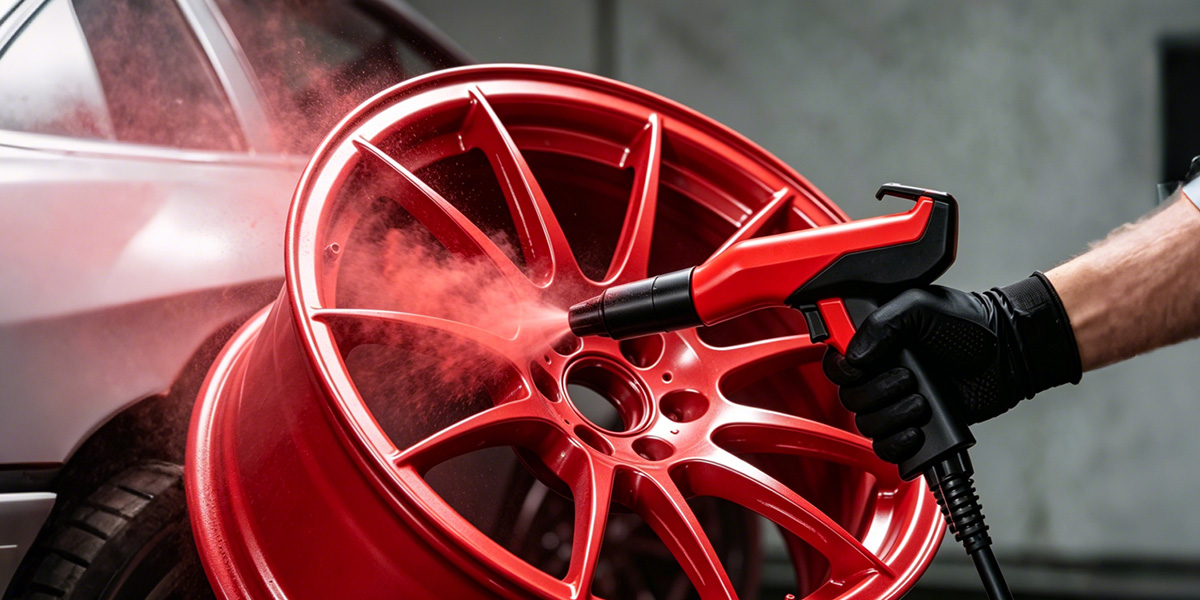
Professional Powder Coating Gun equipment proves essential across diverse industrial and commercial application scenarios requiring durable, uniform finishes. In automotive manufacturing, the Professional Powder Coating Gun is used extensively for coating wheels, engine components, brake calipers, suspension parts, and chassis elements, creating protective finishes that withstand harsh road conditions and temperature extremes. Small automotive shops rely on Professional Powder Coating Gun systems for refinishing motorcycle frames, bicycle components, and vehicle accessories where durability and appearance matter equally. For architectural metalwork including railings, gates, structural components, and outdoor furniture, a Professional Powder Coating Gundelivers even coverage and corrosion resistance that traditional paint cannot match. The Professional Powder Coating Gun also performs exceptionally on complex three-dimensional geometries when operators apply proper technique of coating difficult recessed areas first before covering accessible surfaces. For flat panels and profiles, automatic reciprocator-mounted Professional Powder Coating Gun systems mounted on reciprocators provide consistent coverage and high throughput suitable for production environments. Agricultural equipment owners benefit from Professional Powder Coating Gun technology when refinishing plow blades, cultivator sweeps, and other metal parts subjected to abrasive soil conditions, dramatically extending equipment lifespan through protective coating layers.
Professional Powder Coating Gun installation requires careful attention to several critical factors to ensure safe and effective operation in any workshop environment. The most important aspect of Professional Powder Coating Gun setup is proper grounding, as an incomplete electrical circuit prevents powder from adhering correctly to the workpiece. For optimal results, drive an eight-foot copper ground rod into the earth near the coating area and connect it to the gun controller ground lug using twelve to eighteen gauge copper wire. The Professional Powder Coating Gun system typically requires connection to a compressed air source, with feed air pressure usually set at five PSI as a starting point, though operators should adjust based on specific powder formulations and desired powder flow rates. Before first use, adjust the Professional Powder Coating Gun powder flow control to achieve a consistent even powder cloud during test spraying rather than a heavy dense spray that can cause clumping and uneven finish. The recommended spraying distance for most Professional Powder Coating Gun systems ranges from eight to twelve inches between the gun tip and the target surface, with smooth overlapping strokes applied during coating passes. Workpiece hanging and preparation also require thorough attention, as parts must be completely cleaned to remove rust, oil, and old coatings before being suspended on metal racks that provide direct contact for proper grounding. Always test your Professional Powder Coating Gun settings on sample panels before beginning production runs, as different powder formulations may require different voltage and flow rate combinations. The workspace should include proper ventilation, good lighting, and dedicated areas for coating separate from the curing oven to prevent cross-contamination.
Professional Powder Coating Gun manufacturing involves sophisticated engineering and high-quality component selection that directly influences system cost and performance. Leading Professional Powder Coating Gun manufacturers including Gema (Graco), Wagner, Nordson, KCISPRAY, and SAMES KREMLIN collectively account for more than sixty-five percent of the global market share, with Gema alone holding over twenty-five percent of the market. The manufacturing cost for each Professional Powder Coating Gun includes high-voltage generators, precision-machined nozzles, PTFE charging channels for tribo models, control electronics, injection-molded ergonomic handles, powder hoppers, and comprehensive quality testing before shipment. Industrial automatic Professional Powder Coating Gun systems designed for production environments range from eight thousand to fifteen thousand dollars per unit, while professional-grade manual systems cost between two thousand and five thousand dollars depending on features and output power. Imported Professional Powder Coating Gun options from manufacturers like Colo are available in the two hundred fifty to six hundred thirty dollar range for manual systems, making professional-quality equipment accessible to smaller operations. Additional costs to consider for any Professional Powder Coating Gun system include replacement powder cups, which can be two to three times standard pricing for proprietary designs, and ongoing consumables such as powder coating material that typically costs twelve to twenty dollars per pound. The complete system investment should also factor in a dedicated curing oven, powder collection booths for overspray recovery, and high-temperature masking supplies to achieve professional results consistently.
Professional Powder Coating Gun operation demands strict adherence to safety regulations to prevent fire hazards, electrical shock, and personal injury in industrial environments. The California Code of Regulations Title 8 Section 5460 requires that all electrically conductive objects within the powder coating area be properly grounded, and Professional Powder Coating Gun equipment must carry a prominent permanently installed warning regarding the necessity for grounding. OSHA regulations under 29 CFR 1910.107(i)(5) specifically require that the handle of the Professional Powder Coating Gun be electrically connected to ground by a metallic connection, with construction such that the operator in normal operating position maintains intimate electrical contact with the grounded handle. When operating a Professional Powder Coating Gun, no open flames are permitted in the electrostatic powder coating area, and fire extinguishing equipment must be readily available within the coating room. Objects being coated with a Professional Powder Coating Gun must be maintained in electrical contact with conveyor or support systems to ensure proper grounding throughout the coating process. Operators should avoid positioning the Professional Powder Coating Gun nozzle too close to the workpiece, maintaining a distance of no less than one hundred fifty millimeters from grounded conductive surfaces. Before commencing work with a Professional Powder Coating Gun, operators must wear appropriate dust masks and carefully check seals to prevent inhaling powder particles. The coating room must remain free from any ignition sources, smoking, and open flames at all times. During equipment maintenance, operators must disconnect the Professional Powder Coating Gun main power supply and strictly prohibit any energized work on internal components. These safety requirements apply to all Professional Powder Coating Gun installations regardless of size or production volume.
Professional Powder Coating Gun design has evolved significantly to prioritize operator comfort and reduce fatigue during extended production sessions while maintaining precision control. High-quality Professional Powder Coating Gun models feature weight-optimized construction, with many units weighing between four hundred ninety and five hundred twenty grams, providing balanced feel that reduces hand fatigue during prolonged coating operations. The ergonomic handle design of a Professional Powder Coating Gun ensures comfortable grip for precise control during detailed coating work, with well-balanced weight distribution allowing operators to maintain consistent spray technique without excessive muscle strain. Many modern Professional Powder Coating Gun systems incorporate MAG-trigger magnetic assist technology that reduces trigger force to as low as nine hundred grams, making the Professional Powder Coating Gun one of the lightest trigger efforts available on the market. One-finger trigger designs on Professional Powder Coating Gun systems reduce the effort required to maintain steady powder flow, allowing operators to focus on movement technique rather than gripping tension. Quick release couplings and detachable components on the Professional Powder Coating Gun allow for fast color changes and simplified cleaning procedures, making the equipment more practical for shops that regularly switch between different powder colors. Some Professional Powder Coating Gun manufacturers have integrated on-gun remote controls that allow operators to adjust powder amount and recipe settings without walking back to the main control unit, improving efficiency and reducing production interruptions. These ergonomic considerations transform the Professional Powder Coating Gun from a tool that causes operator fatigue into equipment that supports consistent high-quality results throughout a full workday. The integration of high voltage generation directly into the Professional Powder Coating Gun body eliminates the need for heavy external power packs, further improving weight distribution and portability of the system.
Selecting the appropriate Professional Powder Coating Gun requires evaluating several key parameters against your specific production volume, workpiece configurations, and budget constraints. Consider the maximum electrostatic output voltage first, as a Professional Powder Coating Gun with eighty to one hundred kilovolt capability provides better transfer efficiency and improved coverage on complex shapes compared to entry-level fifty kilovolt models. The top five Professional Powder Coating Gun manufacturers including Gema, Wagner, Nordson, KCISPRAY, and SAMES KREMLIN dominate the global market, accounting for over sixty-five percent of market share, so selecting from established brands ensures parts availability and technical support. For shops coating multiple colors regularly, look for Professional Powder Coating Gun designs that allow quick color changes in under one minute, saving valuable production time and reducing powder waste between color switches. Evaluate the Professional Powder Coating Gun powder hopper capacity as well, with smaller cups requiring frequent refilling for large projects while larger fifty-liter hoppers accommodate extended production runs. The compressed air requirements of a Professional Powder Coating Gun matter greatly for users with existing compressors; verify that your air source meets manufacturer specifications before purchasing. Look for Professional Powder Coating Gun models with CE or UL safety certifications, which indicate compliance with applicable safety standards and regulations. The nozzle type and replacement availability affect long-term usability, as nozzles wear out over time and must be replaced to maintain consistent spray patterns. For beginners, a Professional Powder Coating Gun with straightforward controls and accessible customer support is preferable to complex professional units requiring extensive training. Check whether the Professional Powder Coating Gun is fully repairable with replacement parts available, as some economy models have limited repairability and must be discarded when internal components fail. Reading user reviews from other operators in similar applications can provide valuable real-world insight into how a Professional Powder Coating Gun performs under actual production conditions.
Achieving a professional-grade smooth finish with your Professional Powder Coating Gundemands careful attention to surface preparation, application technique, and curing conditions working together as an integrated system. Start by thoroughly preparing the metal surface, removing all rust, old paint, oils, and contaminants using abrasive paper, wire brushes, or sandblasting equipment to create a clean foundation for powder adhesion. After surface cleaning, wipe the workpiece with acetone or paint thinner and allow it to dry completely before coating with your Professional Powder Coating Gun, as any residual moisture or oil will compromise finish quality. Proper workpiece grounding significantly affects finish quality when using a Professional Powder Coating Gun, so ensure your ground connection contacts clean bare metal on the part without any old coating buildup interfering with electrical contact. Adjust the powder flow on your Professional Powder Coating Gun to achieve a light even powder cloud rather than a heavy dense spray, as excessive powder application causes clumping, orange peel texture, and poor film uniformity. Hold the Professional Powder Coating Gun at the recommended distance of eight to twelve inches from the workpiece, keeping the gun perpendicular to the surface and moving in smooth overlapping passes at consistent speed. Apply two or three thin coating layers with your Professional Powder Coating Gun rather than attempting one thick coat, as multiple passes provide better adhesion and finish uniformity while preventing powder buildup in recessed areas. For parts with recessed areas or inside corners with your Professional Powder Coating Gun, spray these difficult areas first before coating the more accessible surfaces, and consider using pulse power technology if available on your Professional Powder Coating Gun to improve Faraday cage penetration. The curing oven temperature must be accurate and consistent, with most powders curing properly at three hundred fifty to four hundred degrees Fahrenheit. Preheat the oven to the correct temperature before placing the coated part inside, and avoid opening the oven door during curing as temperature fluctuations can affect final finish quality. After curing, allow the part to cool naturally before handling, and inspect the finish for any defects that might indicate adjustments needed in your Professional Powder Coating Gun settings.
Maintaining your Professional Powder Coating Gun properly directly impacts coating quality and equipment lifespan, requiring systematic cleaning and inspection routines after every use. Clean the Professional Powder Coating Gun thoroughly after each use, focusing especially on the powder feeding components, nozzle, and electrostatic electrode where powder residue accumulates most quickly. Use compressed air free of oil and water to blow powder residue from internal passages of the Professional Powder Coating Gun, or manually wipe accessible areas with a clean dry cloth. Never use liquid cleaners or solvents inside the Professional Powder Coating Gun as these can damage electrostatic components and leave residues that contaminate future coating projects. The nozzle of your Professional Powder Coating Gun requires particular attention, as powder buildup here causes uneven spray patterns and poor coverage across coated parts. Remove the nozzle and inspect it for clogs, wiping away any accumulated powder with a soft brush to maintain optimal spray characteristics. The electrode tip on the Professional Powder Coating Gun must remain clean and free of powder crust to maintain proper electrostatic charge generation, as contaminated electrodes reduce transfer efficiency significantly. For Professional Powder Coating Gun powder hopper maintenance, empty any unused powder and store it in sealed containers with desiccant packs to maintain dryness, preventing moisture absorption that causes clumping and poor flow. Clean the hopper interior of your Professional Powder Coating Gun with a dry cloth to prevent cross-contamination between different powder colors and formulations. Check the electrical cord and ground connections of your Professional Powder Coating Gun periodically for cuts, damage, or loose fittings, and repair or replace immediately if any issues are found. If powder adhesion becomes weak or inconsistent with your Professional Powder Coating Gun, verify the grounding connection and inspect the charge generator as it may require replacement after extended use. The internal fan of the Professional Powder Coating Gunshould sound smooth and consistent during operation, with unusual noises indicating potential blockages or component issues requiring further inspection.
Troubleshooting coating defects with your Professional Powder Coating Gun requires systematic diagnosis of common problems and their underlying causes to restore optimal finish quality. If powder fails to stick to the workpiece at all when using your Professional Powder Coating Gun, check the ground connection first as the most frequent cause of adhesion failure. The Professional Powder Coating Gun relies on a complete electrical circuit between the gun and the grounded workpiece, so verify that the metal hanger contacts clean bare metal on both the part and the ground wire without any old powder coating insulating the connection. If powder adhesion is weak or uneven with your Professional Powder Coating Gun, the powder itself may be too moist, as humidity absorption reduces charging effectiveness and prevents proper electrostatic attraction. Store all powder for your Professional Powder Coating Gun in sealed containers with desiccant packs to maintain dryness and optimal charging properties. When no powder comes out of the Professional Powder Coating Gun, check for a clogged nozzle or tip caused by powder buildup or moisture-clumped powder, and remove the tip to clean thoroughly with compressed air. If the Professional Powder Coating Gun produces an uneven spray pattern with heavy spots and thin areas, check the nozzle for partial clogs and verify the powder hopper contains adequately fluidized powder without clumps. Tap the Professional Powder Coating Gun hopper gently to break up any powder clumps before spraying, and ensure the powder feed tube is clear of obstructions. Orange peel texture in the cured finish from your Professional Powder Coating Gun results from powder layers that are too thick, incorrect curing temperature, or insufficient powder flow adjustment. Reduce the powder flow rate on your Professional Powder Coating Gun and apply thinner coats, as heavy application is the most common cause of orange peel defects. Check oven temperature with a separate thermometer when using any Professional Powder Coating Gun, as built-in oven thermostats often read inaccurately and can vary significantly from set points. If the cured finish shows pinholes or craters, the workpiece surface likely contained oil or grease before coating, so improve surface cleaning procedures and avoid touching cleaned surfaces with bare hands between preparation and coating. When the Professional Powder Coating Gun produces little or no powder flow despite proper air supply, inspect the powder pickup tube for clogs or verify that the powder cup is properly threaded onto the gun, as a loose cup on suction-feed guns breaks the venturi seal completely.
Setting up an efficient workspace for your Professional Powder Coating Gun involves creating dedicated areas for preparation, application, and curing operations that work together as an integrated production system. The preparation area for your Professional Powder Coating Gunrequires good ventilation for chemical cleaning agents plus access to abrasive tools, wire brushes, and cleaning solvents for thorough surface treatment. Keep a supply of clean lint-free rags and acetone or mineral spirits for final surface cleaning before coating with your Professional Powder Coating Gun, as any contamination will affect finish quality. The application area should include a stable work surface or hanging rack where you can suspend workpieces during coating using your Professional Powder Coating Gun, with proper grounding connections for each hanging point. Since powder coating with a Professional Powder Coating Gun produces overspray consisting of dry powder, contain this by installing a powder collection booth or placing cardboard behind the coating area to catch excess powder that can be recovered and reused. Good lighting is essential for monitoring coating coverage and thickness when operating your Professional Powder Coating Gun, so install bright LED or fluorescent lights that illuminate the workpiece without creating shadows that hide thin spots. The curing area requires an oven dedicated to powder coating when using any Professional Powder Coating Gun, never use an oven that prepares food for human consumption. A standard convection oven works well for small parts while a walk-in curing oven accommodates larger pieces and higher production volumes with a Professional Powder Coating Gun. Position your Professional Powder Coating Gun work area away from flammable materials and ensure adequate clearance around the curing oven for heat dissipation and operator safety. Install a fire extinguisher rated for electrical and chemical fires within easy reach of the coating area, and ensure all operators know its location. Keep a supply of high-temperature masking tape, silicone plugs, and high-temperature wire for hanging parts during coating and curing with your Professional Powder Coating Gun. The Professional Powder Coating Gun itself requires storage space where it remains protected from dust and physical damage, with dedicated shelving or a cabinet near the work area keeping the gun accessible while protecting it from contamination. Consider investing in a small digital thermometer to verify oven temperature accuracy, as many industrial ovens have significant temperature variations that affect curing results from your Professional Powder Coating Gun. For professional applications, evaluate whether automatic Professional Powder Coating Gun equipment would increase your throughput and consistency, as automatic systems mounted on reciprocators provide excellent coverage on flat panels and consistent parts.
Title:Professional Powder Coating Gun Delivers Superior Industrial Finishes for High Volume Operations
Link:https://www.coatinggun.com/powder-coating-gun-info/Professional-Powder-Coating-Gun-Delivers-Superior-Industrial-Finishes-for-High-Volume-Operations
Statement: Coating Equipment Co., Ltd Chinese Powder Coating Equipment facturers provide you with customized equipment for various types of Powder Coating Lines, Powder Coating Ovens, Powder Coating Booths,Powder Coating Guns, etc. For inquiries! Contact us at Email: mypowdercoater@gmail.com WhatsApp: +86 139 6595 5948