
WhatsApp:+86 139 6595 5948

Powder Coat Gun System solutions have experienced remarkable market expansion as manufacturers and hobbyists alike recognize the value of integrated finishing equipment. The global powder coating equipment market was valued at approximately 1.89 billion dollars in 2025 and is projected to reach 2.51 billion dollars by 2034.
Powder Coat Gun System serves a diverse range of coating projects across automotive, architectural, agricultural, and consumer goods sectors. In the automotive industry, the Powder Coat Gun System is extensively used for coating wheels, engine components, brake calipers, suspension parts, and chassis elements, offering a more efficient, durable, and eco-friendly method for applying coatings to vehicle parts. Agricultural equipment owners rely on the Powder Coat Gun System for refinishing plow blades, cultivator sweeps, and other metal parts subjected to abrasive soil conditions, dramatically extending equipment lifespan through protective coating layers. For architectural metalwork including railings, gates, structural components, and outdoor furniture, the Powder Coat Gun System delivers even coverage and corrosion resistance that traditional wet paint cannot achieve. The Powder Coat Gun System also performs exceptionally on complex three-dimensional geometries when operators apply proper technique of coating difficult recessed areas first before covering accessible surfaces. Small automotive shops use the Powder Coat Gun System for refinishing motorcycle frames, bicycle components, and vehicle accessories where durability and appearance matter equally. The Powder Coat Gun System market encompasses consumer goods, architectural, automotive, general industries, furniture, and aerospace applications, with the powder coating equipment market underpinning high-quality, VOC-free finishing across all these sectors.
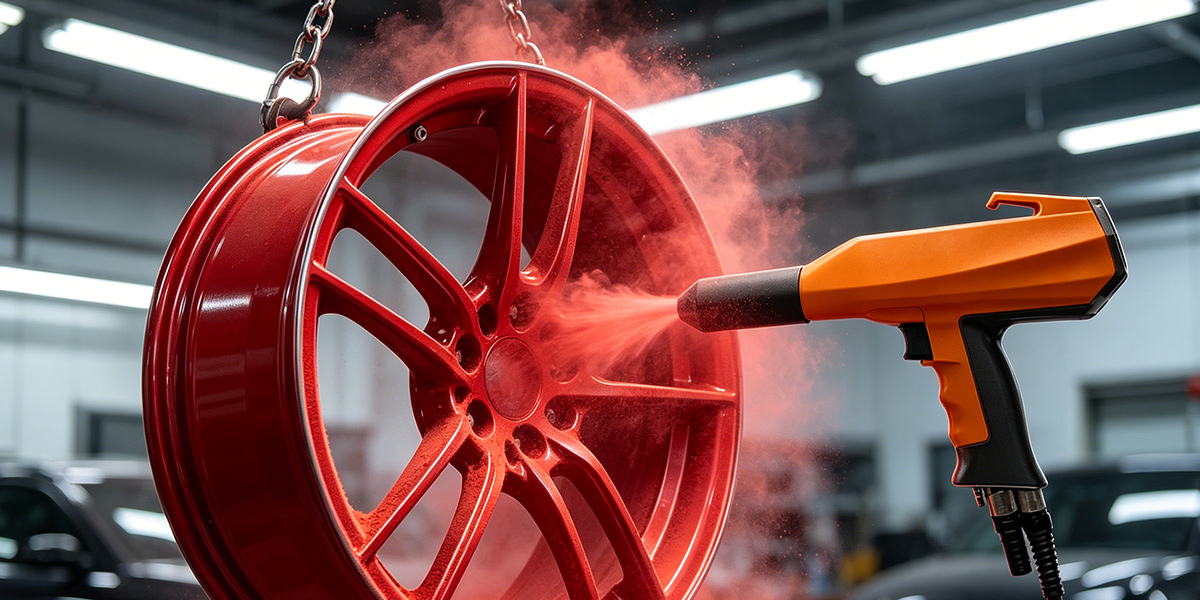
Powder Coat Gun System technology operates on sophisticated electrostatic principles that transform how dry powder materials adhere to metal surfaces. A Powder Coat Gun Systemtypically includes a powder coating gun, supply and control of air required to entrain the powder coating materials, and a supply of high voltage power to an electrode referred to as an emitter. The Powder Coat Gun System generates high voltage electrostatic fields typically ranging from 60 to 100 kilovolts, imparting an electrical charge to powder particles as they exit the spray nozzle. These charged particles are naturally attracted to grounded workpieces, creating uniform coating layers that wrap around edges and reach recessed areas that conventional liquid spray methods cannot cover. The Powder Coat Gun System corona charging method uses a high-voltage electrode at the gun tip to ionize surrounding air and charge particles, working effectively with all powder types including epoxy, polyester, and hybrid formulations. After electrostatic powder application, the coated part must be cured in an oven at temperatures between 350 and 400 degrees Fahrenheit, during which powder particles melt, flow together, and chemically cross-link into a hard, durable finish that significantly outperforms traditional liquid paints in chip resistance and weather durability. The Powder Coat Gun System is available in complete systems or as individual components and sub-systems, with professional systems integrating powder supply, electrostatic spray gun, control system, conveying system, and curing oven.
Powder Coat Gun System installation requires careful attention to workspace configuration and safety considerations before first operation. The most critical aspect of Powder Coat Gun Systemsetup is proper grounding, as incomplete grounding prevents powder from adhering correctly to the workpiece and poses safety hazards. The handle of the Powder Coat Gun System spray gun must be electrically connected to ground by a metallic connection, constructed so that the operator in normal operating position maintains intimate electrical contact with the grounded handle. Good grounding of the workpiece is also necessary for optimum powder coating results when using a Powder Coat Gun System. The Powder Coat Gun System typically requires connection to a compressed air source with feed air pressure set at 5 to 10 pounds per square inch, and using a moisture trap is strongly recommended to ensure dry, clean air for consistent coating quality. The recommended spraying distance for most Powder Coat Gun System equipment ranges from 8 to 12 inches between the gun tip and the target surface, with smooth overlapping strokes applied during coating passes. Workpiece preparation requires thorough attention with any Powder Coat Gun System, as parts must be completely cleaned to remove rust, oil, and old coatings before being suspended on metal racks that provide direct contact for proper grounding. The Powder Coat Gun System workspace should be well-lit and well-ventilated, with adequate clearance around the curing area and no open flames permitted in the electrostatic powder coating area.
Powder Coat Gun System operation follows a systematic process that, when executed correctly, produces professional-grade finishes suitable for demanding industrial applications. Start by thoroughly cleaning the workpiece surface using sandblasting, abrasive paper, or chemical degreasers to remove all rust, old paint, and contaminants from the metal surface. After surface cleaning, wipe the workpiece with acetone or paint thinner and allow it to dry completely before coating with the Powder Coat Gun System. Secure the workpiece to a grounded metal rack or hanger, ensuring clean bare metal contact for proper electrical grounding throughout the coating process. Before first use, adjust the Powder Coat Gun System powder flow control to achieve a consistent even powder cloud during test spraying rather than a heavy dense spray that can cause clumping and uneven finish. Hold the Powder Coat Gun System gun at the recommended distance of 8 to 12 inches from the workpiece, keeping the gun perpendicular to the surface and moving in smooth overlapping passes at consistent speed. Apply two or three thin coating layers with the Powder Coat Gun System rather than attempting one thick coat, as multiple passes provide better adhesion and finish uniformity while preventing powder buildup in recessed areas. For parts with recessed areas or inside corners, spray these difficult areas first before coating the more accessible surfaces with the Powder Coat Gun System. After powder application, transfer the coated part to a preheated oven set to the powder manufacturer recommended temperature, typically 350 to 400 degrees Fahrenheit, and cure for 10 to 20 minutes once the part reaches full temperature. After curing, allow the part to cool naturally before handling and inspect the finish for any defects that might indicate adjustments needed in the Powder Coat Gun System settings.
Powder Coat Gun System equipment is manufactured using two distinct charging technologies, each offering specific advantages for different coating applications and workpiece configurations. Corona charging Powder Coat Gun System models use a high-voltage electrode at the gun tip to ionize air and charge particles, representing the most common and versatile option available on the market. Corona Powder Coat Gun System equipment works effectively with all powder types including epoxy, polyester, and hybrid formulations, making it the preferred choice for general coating operations across most industries. Tribo charging Powder Coat Gun System systems rely on friction between powder particles and PTFE-lined channels inside the gun to generate electrostatic charge, which eliminates the Faraday cage effect and provides superior coverage in recessed areas and complex part geometries. However, tribo Powder Coat Gun System technology comes with limitations including approximately half the coating speed of corona-charge powder guns and optimal performance only with epoxy powder formulations. Manual guns in a Powder Coat Gun System are typically used for lower-production application and touch-up work, while automatic guns are useful for high-production processes requiring consistent throughput. For most workshops and manufacturing facilities, a corona charging Powder Coat Gun System offers the best combination of versatility, speed, and ease of use across diverse workpiece types and powder formulations. The choice between corona and tribo technology when selecting a Powder Coat Gun System ultimately depends on your specific workpiece configurations and the types of powder you plan to use regularly.
Powder Coat Gun System design has evolved significantly to prioritize both operator comfort and production efficiency while maintaining precision coating control. A well-designed Powder Coat Gun System integrates all necessary components into a cohesive workflow, including powder feed system, electrostatic charging mechanism, spray nozzle, control unit, and often a powder recovery booth for overspray containment. Professional Powder Coat Gun System models feature weight-optimized construction, with manual gun designs weighing as little as 490 grams, providing balanced feel that reduces operator fatigue during extended production sessions. The ergonomic handle design of a Powder Coat Gun System ensures comfortable grip for precise control during detailed coating work, with one-finger trigger designs reducing the effort required to maintain steady powder flow throughout the coating process. Quick release couplings and detachable components on the Powder Coat Gun System allow for fast color changes and simplified cleaning procedures, making the equipment more practical for shops that regularly switch between different powder colors. Many modern Powder Coat Gun System controllers incorporate digital interfaces that adapt in real time all electrostatic parameters to provide the best gun performance in any conditions. The integration of powder hopper, pump, and control electronics in a Powder Coat Gun System creates a self-contained unit that eliminates separate component management and streamlines the coating workflow. Cup-style guns within a Powder Coat Gun System are ideal for laboratories, new color sample testing, and low-volume, fast-changeover multiple color applications, while hopper-style systems become production workhorses for continuous operation.
Powder Coat Gun System pricing varies significantly based on features, automation level, and intended production volume, requiring careful budget planning for any purchase. Industrial cheap Powder Coat Gun System options meeting demand from small workshops and DIY enthusiasts range from 200 to 800 dollars, offering cost-effective solutions for basic coating needs. Professional-grade manual Powder Coat Gun System equipment typically costs between 1,000 and 5,000 dollars, catering to small businesses and contract coating operations that require reliable daily performance. Industrial automatic Powder Coat Gun System installations exceed 10,000 dollars, integrating full coating lines with conveyorized booths, automatic gun arrays, powder recovery systems, and curing ovens. Professional powder coating machines, also called electrostatic spray guns, cost approximately 12,000 AED for basic delivery versions, with vibration tables or touchscreen versions increasing the price. The global automatic powder coating gun market size was predicted to grow from 89.5 million dollars in 2025 to 123 million dollars by 2031 at a compound annual growth rate of 5.4 percent. Additional costs to consider when investing in a Powder Coat Gun System include replacement nozzles, powder coating material that typically costs 12 to 20 dollars per pound, dedicated electric oven for curing, high-temperature masking tape, silicone plugs, and safety equipment including gloves, goggles, and respirators. The complete Powder Coat Gun System investment must also account for ongoing maintenance supplies and potential spare parts inventory for critical components.
Selecting the appropriate Powder Coat Gun System requires evaluating several key parameters against your specific production volume, workpiece configurations, and budget constraints. First, consider the part size and geometry when choosing a Powder Coat Gun System, as this determines booth size, gun selection, and conveyor type needed for your operation. Evaluate whether a corona or tribo Powder Coat Gun System better suits your applications, with corona guns being versatile and compatible with all powder types while tribo guns excel on complex geometries but work best with epoxy powders. The electrostatic voltage output of your Powder Coat Gun System matters significantly, with high-quality equipment providing 60 to 100 kilovolt capability where charging efficiency stability must be controlled within plus or minus 5 percent. For shops coating multiple colors regularly, look for a Powder Coat Gun System with quick color change capabilities, as systems like the Wagner IPS offer color changes at the push of a button with fully automatic cleaning processes using Airblade technology and pulse cleaning. The powder output range of a Powder Coat Gun System should accommodate your production needs, with wide range and linear output control able to adapt from fine workpieces to large structures, ranging from several grams per minute to kilogram per minute levels. For beginners and home users, cup-style guns like the Eastwood PCS-250 Powder Coat Gun System are often better tools for experimenting with finishes or running multiple colors in a single session. For professional production environments, hopper-style Powder Coat Gun System configurations with 50-liter capacities become the production workhorse needed for continuous operation. Check whether your Powder Coat Gun System includes comprehensive safety certifications, available replacement parts, and manufacturer technical support. Reading user reviews from other operators in similar applications can provide valuable real-world insight into how a Powder Coat Gun Systemperforms under actual production conditions.
Maintaining your Powder Coat Gun System properly directly impacts coating quality and equipment lifespan, requiring systematic cleaning and inspection routines after every production run. Clean the Powder Coat Gun System thoroughly after each use, focusing especially on the powder feeding components, nozzle, and electrostatic electrode where powder residue accumulates most quickly. Use compressed air free of oil and water to blow powder residue from internal passages of the Powder Coat Gun System, or manually wipe accessible areas with a clean dry cloth. Never use liquid cleaners or solvents inside the Powder Coat Gun System as these can damage electrostatic components and leave residues that contaminate future coating projects. The nozzle of your Powder Coat Gun System requires particular attention, as powder buildup here causes uneven spray patterns and poor coverage across coated parts. Remove the nozzle and inspect it for clogs, wiping away any accumulated powder with a soft brush to maintain optimal spray characteristics. The electrode tip on the Powder Coat Gun System must remain clean and free of powder crust to maintain proper electrostatic charge generation, as contaminated electrodes reduce transfer efficiency significantly. For Powder Coat Gun System powder hopper maintenance, empty any unused powder and store it in sealed containers with desiccant packs to maintain dryness, preventing moisture absorption that causes clumping and poor flow. Clean the hopper interior of your Powder Coat Gun System with a dry cloth to prevent cross-contamination between different powder colors and formulations. Check the electrical cord, ground connections, and air lines of your Powder Coat Gun System periodically for cuts, damage, or loose fittings, and repair or replace immediately if any issues are found. Shut off electrostatic power supplies and ground gun electrodes before making adjustments or cleaning the Powder Coat Gun System to ensure operator safety. Consistent maintenance of your Powder Coat Gun System ensures optimal performance and extends equipment lifespan for years of reliable service across all your coating projects.
Troubleshooting coating defects with your Powder Coat Gun System requires systematic diagnosis of common problems and their underlying causes to restore optimal finish quality. If powder fails to stick to the workpiece at all when using your Powder Coat Gun System, check the ground connection first as poor grounding is the most frequent cause of adhesion problems. The Powder Coat Gun System relies on a complete electrical circuit between the gun and the grounded workpiece, so verify that the metal hanger contacts clean bare metal on both the part and the ground wire without any old powder coating insulating the connection. Orange peel texture in the cured finish from your Powder Coat Gun System is a surface defect characterized by a dimpled, textured appearance resembling the skin of an orange, often caused by improper application techniques such as incorrect gun-to-surface distance, excessive film thickness, or inadequate curing. Reduce the powder flow rate on your Powder Coat Gun System and apply thinner coats, as heavy application is the most common cause of orange peel defects. Pinholes in your Powder Coat Gun System finish are small holes that penetrate through the coating to the substrate, which can be caused by trapped air, moisture in air lines, or outgassing from the substrate during curing. Eliminate pinholes from your Powder Coat Gun System by removing moisture from air lines with proper filtration and allowing cast metal parts to outgas by preheating before coating. Back ionization can form with your Powder Coat Gun System when gun to part distance, kilovolt settings, and microamps aren't monitored closely enough, leading to areas with too much powder that suffer from orange peel and star-shaped ruptures in the cured film. If the cured finish from your Powder Coat Gun System shows pinholes or craters, the workpiece surface likely contained oil or grease before coating, so improve surface cleaning procedures and avoid touching cleaned surfaces with bare hands between preparation and coating. For Faraday cage effect problems where powder from your Powder Coat Gun System won't penetrate deep recesses, lower the voltage and coat the difficult areas first before covering the rest of the part. When the Powder Coat Gun System produces little or no powder flow despite proper air supply, inspect the powder pickup tube for clogs or verify that the powder cup is properly seated. Cured finish that appears dull rather than glossy indicates under-curing where the powder did not reach full melting temperature or was not held at temperature long enough, so increase oven temperature or extend cure time according to the powder manufacturer specifications.
Setting up an efficient workspace for your Powder Coat Gun System involves creating dedicated areas for preparation, application, and curing operations that work together as an integrated production system. The preparation area for your Powder Coat Gun System requires good ventilation for chemical cleaning agents plus access to abrasive tools, wire brushes, and cleaning solvents for thorough surface treatment. Keep a supply of clean lint-free rags and acetone or mineral spirits for final surface cleaning before coating with your Powder Coat Gun System, as any contamination will affect finish quality. The application area should include a stable work surface or hanging rack where you can suspend workpieces during coating using your Powder Coat Gun System, with proper grounding connections for each hanging point. Since powder coating with a Powder Coat Gun System produces overspray consisting of dry powder, contain this by installing a powder collection booth which can include multi-cyclone powder recovery for reclaiming and reusing excess powder. Good lighting is essential for monitoring coating coverage and thickness when operating your Powder Coat Gun System, so install bright LED or fluorescent lights that illuminate the workpiece without creating shadows that hide thin spots. The curing area requires an oven dedicated to powder coating when using any Powder Coat Gun System, never use an oven that prepares food for human consumption. Position your Powder Coat Gun System work area away from flammable materials and ensure adequate clearance around the curing oven for heat dissipation and operator safety. Install a fire extinguisher rated for electrical and chemical fires within easy reach of the coating area and ensure all operators know its location. Keep a supply of high-temperature masking tape, silicone plugs, and high-temperature wire for hanging parts during coating and curing with your Powder Coat Gun System. The Powder Coat Gun System itself requires storage space where it remains protected from dust and physical damage, with a dedicated shelf or cabinet near the work area keeping the gun accessible while protecting it from contamination. Consider investing in a small digital thermometer to verify oven temperature accuracy, as many ovens have significant temperature variations that affect curing results from your Powder Coat Gun System. For professional applications, evaluate whether an automatic Powder Coat Gun System would increase your throughput and consistency, as systems using programmed methods apply and cure powder coatings on products with minimal manual work, offering consistency, efficiency, and high quality.
Quality control with your Powder Coat Gun System requires systematic film thickness measurement procedures to ensure consistent coating performance and compliance with specifications. Measure coating thickness using either pre-cured or post-cured methods with your Powder Coat Gun System, with pre-cured measurements allowing the application system to be set up and fine-tuned prior to the curing process. Three procedures are provided for measuring dry coating powder thickness when using a Powder Coat Gun System: Procedure A using rigid metal notched comb gauges, and Procedure B using magnetic or eddy current coating thickness gauges. The type of substrate, the thickness range of the coating, the size and shape of the part, and the economics of the job determine the measurement method employed when inspecting work from your Powder Coat Gun System. The first pass yield of a Powder Coat Gun System in professional operations can exceed 96 percent with proper setup and quality control procedures. The charging efficiency of your Powder Coat Gun System electrostatic generator must remain stable, with high-quality equipment controlling voltage fluctuations within plus or minus 5 percent to ensure even powder charging and consistent adhesion across all coated parts. When using a Powder Coat Gun System for production, conduct regular quality audits of finished parts, measuring film thickness at multiple points across each part to verify uniformity. Keep detailed records of Powder Coat Gun System settings used for each job, including voltage, amperage, powder flow rate, spray distance, and cure parameters to enable consistent reproduction of successful finishes. Train operators on proper Powder Coat Gun System technique and quality inspection methods, as a good manual sprayer can outperform a marginal automated system, making operator skill a critical factor in coating quality. Implement standardized testing procedures for each production batch from your Powder Coat Gun System, including adhesion tests, impact resistance verification, and corrosion performance validation when required by customer specifications.
Title:Powder Coat Gun System Delivers Complete Coating Solutions for Professional Shops and Home Workshops
Link:https://www.coatinggun.com/powder-coating-gun-info/Powder-Coat-Gun-System-Delivers-Complete-Coating-Solutions-for-Professional-Shops-and-Home-Workshops
Statement: Coating Equipment Co., Ltd Chinese Powder Coating Equipment facturers provide you with customized equipment for various types of Powder Coating Lines, Powder Coating Ovens, Powder Coating Booths,Powder Coating Guns, etc. For inquiries! Contact us at Email: mypowdercoater@gmail.com WhatsApp: +86 139 6595 5948