
WhatsApp:+86 139 6595 5948

Electrostatic Powder Coating Machine units can be found across many production settings. Automotive repair shops use Electrostatic Powder Coating Machine for wheels, calipers, valve covers, and motorcycle frames. Metal fabrication workshops operate Electrostatic Powder Coating Machine for gates
Electrostatic Powder Coating Machine Application Projects and Industry Usage
Electrostatic Powder Coating Machine units can be found across many production settings. Automotive repair shops use Electrostatic Powder Coating Machine for wheels, calipers, valve covers, and motorcycle frames. Metal fabrication workshops operate Electrostatic Powder Coating Machine for gates, fencing, structural brackets, and custom furniture legs. Appliance refurbishing centers apply Electrostatic Powder Coating Machine to washer lids, dryer drums, and refrigerator shelves. Home hobbyists choose entry-level Electrostatic Powder Coating Machine for restoring tools, gym equipment, and decorative metal art. Sign manufacturers coat metal letters and frames with Electrostatic Powder Coating Machine. Electrical enclosure fabricators finish switchgear cabinets and outdoor telecommunications boxes. The shared characteristic among these applications is the requirement for a durable scratch-resistant finish with relatively straightforward operation and quick color-change capability.
Electrostatic Powder Coating Machine Surface Preparation Process Technology
Surface preparation directly governs how well an Electrostatic Powder Coating Machine finish bonds. The cleanest powder applied through the most precise Electrostatic Powder Coating Machine will separate prematurely if the base metal carries oil or corrosion. A pre-treatment station uses alkaline cleaning solutions heated to about 60 degrees Celsius to degrease parts. Multiple fresh water rinse stages wash away residual chemistry. A chemical conversion coating step applies iron phosphate or zinc phosphate to build a crystalline bonding layer under the powder. Some shops substitute abrasive blasting with aluminum oxide or garnet media to strip mill scale and impart a sharp angular surface profile for mechanical adhesion. After any wet process a dry-off oven set between 120 and 150 degrees Celsius eliminates surface moisture before parts reach the Electrostatic Powder Coating Machine spray enclosure. Pretreatment typically accounts for about 70 percent of eventual coating quality.
Electrostatic Powder Coating Machine What Is an Electrostatic Powder Coating Machine
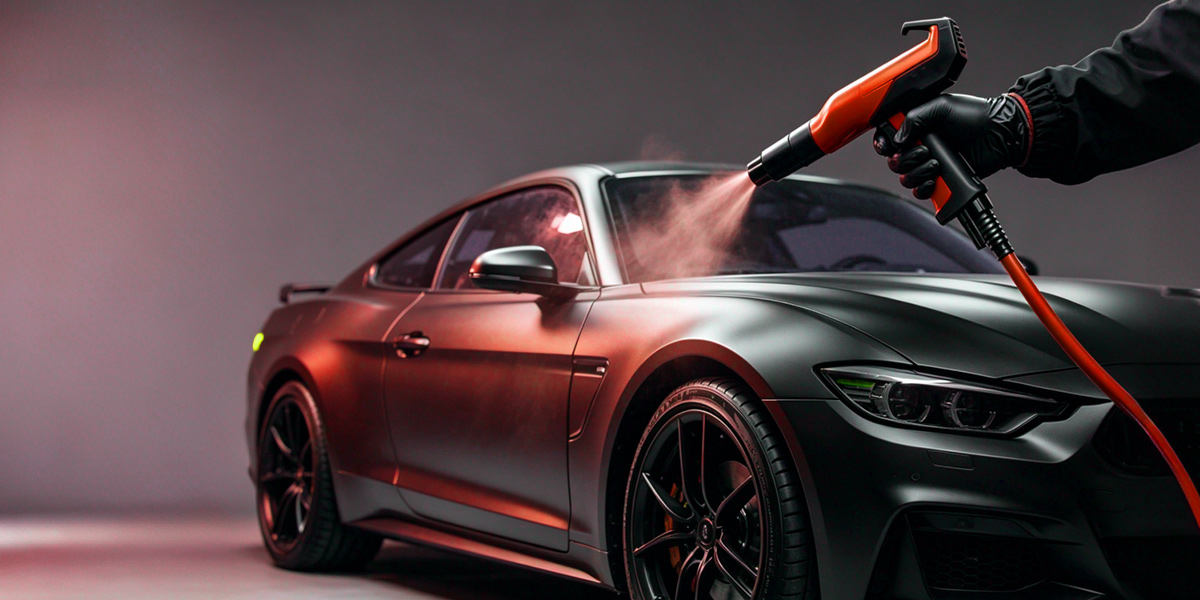
An Electrostatic Powder Coating Machine is a finishing system that applies dry powder to conductive substrates using electrostatic attraction followed by thermal cure. Compressed air fluidizes finely milled resin pigment and cross-linker particles inside a feed hopper into a flowable state. The air stream pushes this powder cloud through a delivery hose to a hand-held or machine-mounted spray gun. A high-voltage electrode at the gun tip imparts an electrostatic charge to the particles as they exit the nozzle. The charged powder wraps around the electrically grounded workpiece and adheres with impressive uniformity. After coating, the part travels through a curing oven where temperatures between 180 and 220 degrees Celsius melt the powder into a continuous liquid film that flows levels and cross-links into a hardened protective layer chemically bonded to the metal substrate. Unlike conventional liquid painting, an Electrostatic Powder Coating Machine uses zero solvent so the process releases negligible volatile organic compounds.
Electrostatic Powder Coating Machine Core Components
1 Spray Gun and Electrostatic Generator This tool receives fluidized powder from the feed hose. A built-in high-voltage cascade produces between 30 and 100 kilovolts to charge particles at the electrode tip. Corona-charged Electrostatic Powder Coating Machine guns create an ionized field. Tribo-charged guns rely on frictional contact. The gun determines transfer efficiency edge wrap and Faraday-cage penetration.
2 Powder Feed System and Fluidized Hopper A fluidizing plate at the hopper base introduces regulated low-pressure air that suspends powder into a quasi-liquid state. Venturi injectors draw the material into the conveying airstream and push it to the gun. Dense-phase pumps move powder in concentrated plugs for automated Electrostatic Powder Coating Machine installations reducing air consumption and particle velocity. Hopper sizes range from small cup volumes for touch-up work to bins holding 25 kilograms or more.
3 Control Unit The control module displays real-time voltage microampere current draw powder and atomizing-air flow rates. Operators store part-specific settings as named recipes inside the Electrostatic Powder Coating Machine control memory. Selecting a stored recipe loads all gun parameters and conveyor settings for repeatable batch-to-batch consistency.
4 Powder Recovery System The recovery module captures overspray that misses the target part. Cyclone separators spin heavier reusable powder outward into a collection bin while fines continue to final filtration. Cartridge-filter modules pull booth exhaust through pleated media cleaned with pulsed reverse-air jets. A properly configured Electrostatic Powder Coating Machine recovery circuit pushes material utilization beyond 95 percent.
5 Curing Oven Convection ovens circulate heated air through the full part envelope and handle complex three-dimensional geometries. Infrared panels heat part surfaces directly which can shorten bake time by 50 percent or more for flat panels and cylindrical profiles. Conveyor speed must be matched to the Electrostatic Powder Coating Machine output to keep dwell time within the powder manufacturer specified metal-temperature profile.
Electrostatic Powder Coating Machine Key Advantages
Electrostatic Powder Coating Machine technology delivers several measurable benefits over liquid spray painting. The thermosetting cure reaction builds a densely cross-linked polymer network that resists chipping scratching fading and under-film corrosion. Neutral salt-spray resistance of an Electrostatic Powder Coating Machine finish routinely exceeds 1,000 hours. The process releases near-zero volatile organic compounds because no liquid solvents are needed so booth exhaust can be filtered and returned to the plant floor. Material utilization rises to 95 percent and above through recovery and reuse of overspray whereas liquid paint transfer efficiency in manual spraying often stays between 30 and 50 percent. One single Electrostatic Powder Coating Machine application replaces separate primer color and clear-coat steps with a one-pass one-bake cycle. The electrostatic deposition principle resists runs sags and edge pull-back which yields consistent film thickness across sharp corners weld seams and recessed pockets.
Electrostatic Powder Coating Machine How to Choose the Right Electrostatic Powder Coating Machine
Define the largest part dimensions and target daily throughput first. A manual Electrostatic Powder Coating Machine with a batch booth and box oven handles fewer than 500 parts per shift and dimensions under roughly one meter. A conveyorized work cell with two to four automatic guns and a continuous oven manages 2,000 to 10,000 parts per shift. High-output dedicated Electrostatic Powder Coating Machine lines with multi-gun reciprocators robotic manipulators and ovens exceeding 30 meters process parts at rates counted per minute. Verify the feed system and gun technology are compatible with the powder chemistries the application demands whether epoxy polyester epoxy-polyester hybrid or urethane. Survey energy features such as variable-frequency drives on exhaust blowers oven heat-exchanger recovery and high-efficiency cyclone recovery since these items reduce operating expense across a 10-year service window. Partner with an Electrostatic Powder Coating Machine supplier offering installation support operator training local spare-parts inventory and application engineering service.
Electrostatic Powder Coating Machine How to Operate an Electrostatic Powder Coating Machine for Consistent Results
Hang clean pretreated test pieces on a grounded rack and confirm ground continuity with a megohmmeter reading under one megohm. Set gun voltage between 60 and 80 kilovolts for flat surfaces and reduce to 30 to 50 kilovolts for deep inside corners prone to Faraday-cage shielding. Adjust powder output to reach the target cured film thickness in a single pass. Set atomizing air pressure to produce a soft symmetrical cloud without excessive velocity that causes bounce-back typically 0.5 to 1.5 bar. Hold the gun 150 to 300 millimeters from the part and move at a steady walking pace overlapping each stroke by about half the pattern width. For heavier sections apply a light first pass allow it to tack then apply a second pass. Transfer parts to the Electrostatic Powder Coating Machine oven without jarring and follow the powder manufacturer recommended metal-temperature cure schedule. Record all parameters as a part-specific recipe so the next production run delivers the same result.
Electrostatic Powder Coating Machine How to Maintain an Electrostatic Powder Coating Machine
Daily care begins with wiping the gun nozzle electrode and deflector tip free of impact-fused powder. Purge feed hoses with compressed air after color changes. Vacuum powder accumulations from booth floors and overhead ledges. Weekly tasks include inspecting recovery-system cartridge filters for tears or blinding and verifying pulse-jet cleaning function by watching pressure-gauge recovery. Lubricate reciprocator linear bearings and conveyor trolley wheels per manufacturer specification. Monthly Electrostatic Powder Coating Machine maintenance covers calibrating gun voltage and current output against a reference meter measuring booth face velocity at multiple grid points and testing all safety interlocks including airflow switches over-temperature limits and emergency stops. Annual shutdown service replaces worn pump venturi inserts rebuilds gun electrode assemblies with fresh insulators and contact pins swaps out recovery filter cartridges that reached end of service life and performs a combustion-efficiency analysis on gas-fired oven burners with adjustment as required.
Electrostatic Powder Coating Machine How to Troubleshoot Common Defects on an Electrostatic Powder Coating Machine
Orange peel texture indicates insufficient powder flow-out during cure. Verify the part reaches the powder manufacturer specified metal temperature with a through-oven data logger and that soak time meets specification. Pinholes point to substrate outgassing where trapped gases from casting porosity or pretreatment residue erupt through the molten film. Preheat parts above cure temperature before entering the Electrostatic Powder Coating Machine booth and improve rinsing. Poor adhesion with the coating peeling in sheets signals a pre-treatment failure so re-validate cleaner concentration rinse conductivity conversion-coating weight and dry-off oven temperature. Back-ionization creates a stippled grainy surface when excessive electrostatic charge builds on thick powder layers. Reduce gun voltage increase gun-to-part standoff distance or lower powder output to correct this Electrostatic Powder Coating Machine defect at the application stage.
Electrostatic Powder Coating Machine How to Stay Safe Around an Electrostatic Powder Coating Machine
Combustible-dust management remains the top safety priority on any Electrostatic Powder Coating Machine line. Install explosion-vent panels on recovery modules and isolation valves in interconnecting ductwork per NFPA 68. Prevent powder accumulation on horizontal surfaces equipment tops and overhead beams through documented shift-level housekeeping. Verify electrical grounding of all conductive components including booth structure recovery ductwork and gun mounts with a resistance to earth under one megohm. Maintain booth face velocity between 0.5 and 0.7 meters per second and interlock exhaust fans to prevent gun activation when airflow drops below safe minimum. Equip operators with NIOSH-approved powered air-purifying respirators carrying P100 cartridges anti-static footwear and natural-fiber or inherently flame-resistant outer garments. Wire oven temperature interlocks to cut heat sources if setpoint is exceeded by more than 15 degrees Celsius. Post grounding verification housekeeping sign-off and emergency-stop test procedures as mandatory shift-start routines for every Electrostatic Powder Coating Machine operator.
Title:What a First Time Buyer Should Look For in an Electrostatic Powder Coating Machine
Link:https://www.coatinggun.com/powder-coating-machine-info/What-a-First-Time-Buyer-Should-Look-For-in-an-Electrostatic-Powder-Coating-Machine
Statement: Coating Equipment Co., Ltd Chinese Powder Coating Equipment facturers provide you with customized equipment for various types of Powder Coating Lines, Powder Coating Ovens, Powder Coating Booths,Powder Coating Guns, etc. For inquiries! Contact us at Email: mypowdercoater@gmail.com WhatsApp: +86 139 6595 5948